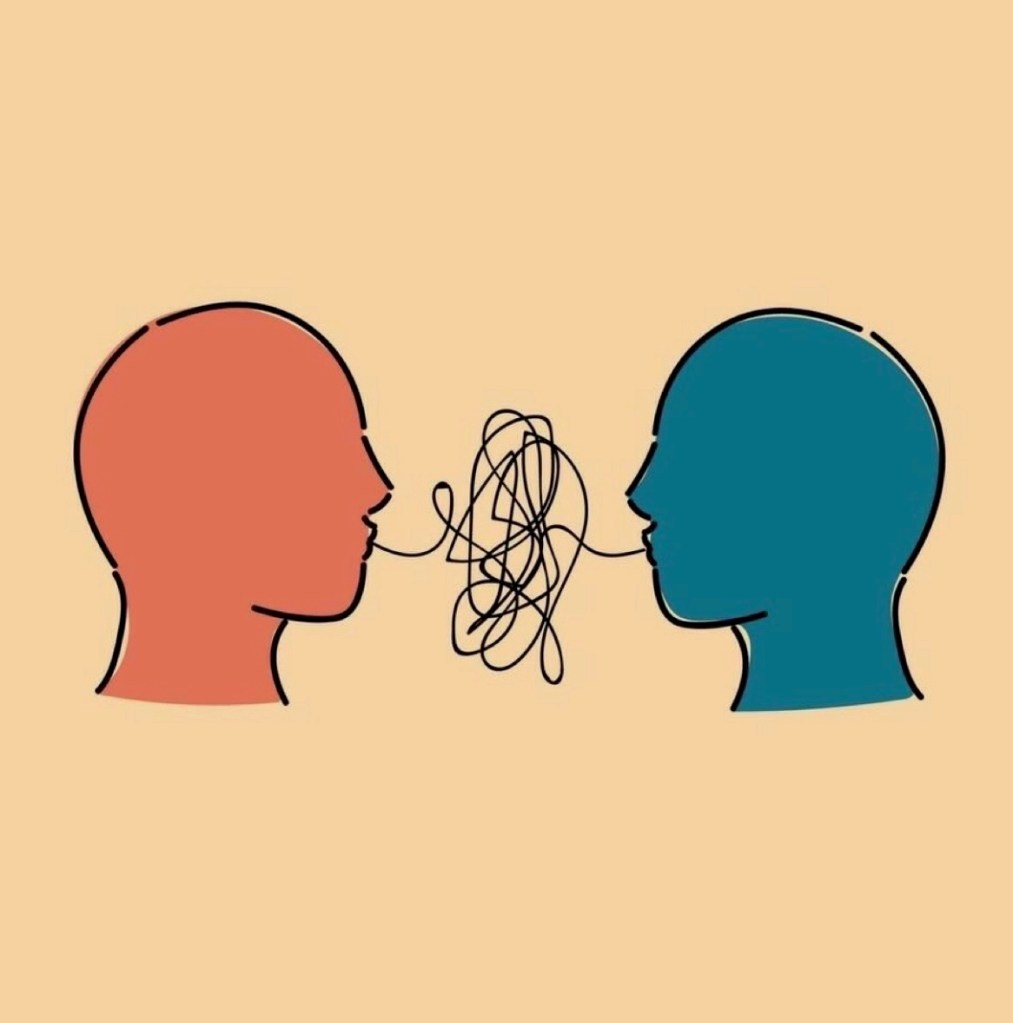
It’s no secret that human relationships are extremely complex, with many different factors that determine relationship satisfaction, emotional well-being, and interpersonal development. Relationships develop over time through emotional closeness, mutual interests, and physical appeal. However, there is a common notion that long-distance relationships are more difficult to manage and maintain than short-distance relationships. I argue that they are not more difficult to manage, but constant long-distance relationship satisfaction depends on how dedicated both parties are in making the relationship last. We can examine this through the Social Exchange Theory which explains how relationships are a series of transactional exchanges between the parties involved. Effort must be displayed by both individuals, thus building the relationship and ensuring relationship satisfaction through both partners. Creating a strong base in the earlier stages of a relationship can help to maintain the relationship through difficult times, and can help to emphasize mutual trust and understanding during disagreements.
Attachment and attachment styles have a huge impact on the way individuals handle conflict, stress, and trauma. Attachment can be defined as, “a deep and lasting emotional connection that bonds people together throughout time and distance.” (Chandra & Sharma, 2025). Attachment Theory suggests that early interactions with caregivers, as a child, play a significant role in shaping a person’s attachment style. Attachment Theory also suggests that, “our attachment styles influence our emotional regulation, interpersonal relationships, and coping strategies across our lifespan.” (Manolov & Stoyanov, 2025). These attachment styles that are shaped in our childhood, then affect the way we communicate with others. This can explain why we may not agree with others’ handling of certain situations. Different attachment styles lead people to react however they seek fit. When dealing with a person with any of the four attachment styles (secure, anxious, avoidant, fearful avoidant), it is important to try and understand where they are coming from.
In long-distance relationships secure attachment is ideal. This can look like a partner who clearly communicates their needs or concerns. This is a partner who values connection despite the distance, and has established trust in their partner and relationship. Anxious attachment styles in long-distance relationships are displayed through insecurity, especially about the relationships stability. This is a partner who looks for constant reassurance and communication from their partner, as well as overthinks long periods of time without communication. This can also be a partner who overreads tones over text messages. Avoidant attachment in long distance relationships can be seen through a partner who prioritized independence over communication with their partner. This can also look like a person who gets overwhelmed by phone calls that are too frequent, or a person who has a hard time expressing their emotions. Lastly we examine fearful avoidant, sometimes referred to as disorganized, attachment. This can be seen in long distance relationships through inconsistent displays of effort or communication. Individuals with avoidant attachment can be more difficult to navigate in relationships as “sharing emotions and self-disclosure is fundamental for communication quality and relationship satisfaction. Suppressing emotions can have adverse effects, such as increasing physiological tension, depleting cognitive resources, and hindering emotion recognition.” (Adıyaman & Cheon, 2023).
Technology has evolved significantly throughout the past decade, and one of the greatest things it has done for communication is help people find new ways to keep in touch with one another. This impacts the way that people are able to maintain their long-distance relationships as, “digital devices reshape communication patterns, emotional exchanges, and relationships.” (Nirmala, et al., 2025). The attachment styles we discussed are typically formed from childhood, they can change over time as we enter adulthood and gain more life experiences. While Nuke Pratiwi explains that, “physical distance, communication limitations, and emotional strain can lead to feelings of loneliness”, technology has given us the opportunity to bridge that connection gap in our relationships. The four attachment styles bring many different challenges to all relationships, but for long distance relationships technology is what helps maintain relationship satisfaction.
While attachment styles impact relationships everywhere, and technology helps to maintain communication, the biggest factor we can examine is overall relationship satisfaction. Relationship satisfaction is built through relationship maintenance, and couples determine what works and what doesn’t. According to a study by Kaitlyn Goldsmith, there are five relationship maintenance factors, these include, “positivity, openness, assurance, social networks, and sharing tasks.” (Goldsmith & Byers, 2023). Long distance relationships can focus on these five maintenance factors in order to promote healthy communication, boundary settings, and overall relational expectations.
While long-distance relationships have their own battles, the idea that they are more difficult than short distance relationships, is subjective. It’s less about difficulty, and more about what an individual wishes to gain out of a relationship. Individuals who are more willing to put in consistent effort in maintaining a long-distance relationship, are more likely to have success in personal relationship satisfaction. Whereas individuals who are less willing to put in the effort, often find themselves in long distance relationships that do not work out. While effort is important in all types of relationships, when it comes to maintaining long-distance relationships it is a key factor.
Discussion Questions
- Which attachment style do you have? Does this differ from the attachment style of your significant other, or close friends?
- Can too much communication be harmful for relationships?
- Do you think Attachment Styles can change over time? If so, how do you think your attachment style has changed over the last 5 years?
References
Adıyaman, Y. C., & Eğinli, A. T. (2023). The Effect of Early Maladaptive Schemas on Communication Styles of Romantic Couples. Journal of Fundamentals of Mental Health, 25(6), 353–362.
Chandra, C., & Sharma, R. (2025). Adverse Childhood Experiences, Attachment Styles, and Personality Among Young Adults. Indian Journal of Health & Wellbeing, 16(2–I), 179–188.
Goldsmith, K., & Byers, E. S. (2023). Factors Associated With Sexual Satisfaction in Mixed-Sex Long-Distance and Geographically Close Relationships. Sexual & Relationship Therapy, 38(2), 171–193. https://doi-org.lib-proxy.fullerton.edu/10.1080/14681994.2020.1813884
M. S., N., Nirmala, B. P., Janardhana, N., & Sharma, M. K. (2025). Connected or Disconnected? Exploring Technoference and Its Impact on Interpersonal Relationships Among Youth. International Review of Psychiatry, 37(1), 59–66. https://doi-org.lib-proxy.fullerton.edu/10.1080/09540261.2024.2442410
Manolov, M. N., & Stoyanov, I. S. (2025). The Relationship Between Coping Strategies and Attachment Styles in Adolescents. Psychological Thought, 18(1), 117–132. https://doi-org.lib-proxy.fullerton.edu/10.37708/psyct.v18i1.1011
Pratiwi, N. A., & Mukhoyyaroh, T. (2024). Love and Distance: Unveiling the Influence of Self-Disclosure, Gratitude, and Marital Satisfaction Among Military Wives. Journal Psikologi Terapan (JPT), 7(1), 13–18. https://doi-org.lib-proxy.fullerton.edu/10.29103/jpt.v7i1.14864
 Managing Long Distance Relationships Through Technology
Leave a comment